


Photo Alchemy
 Photo AlchemyThe workbench
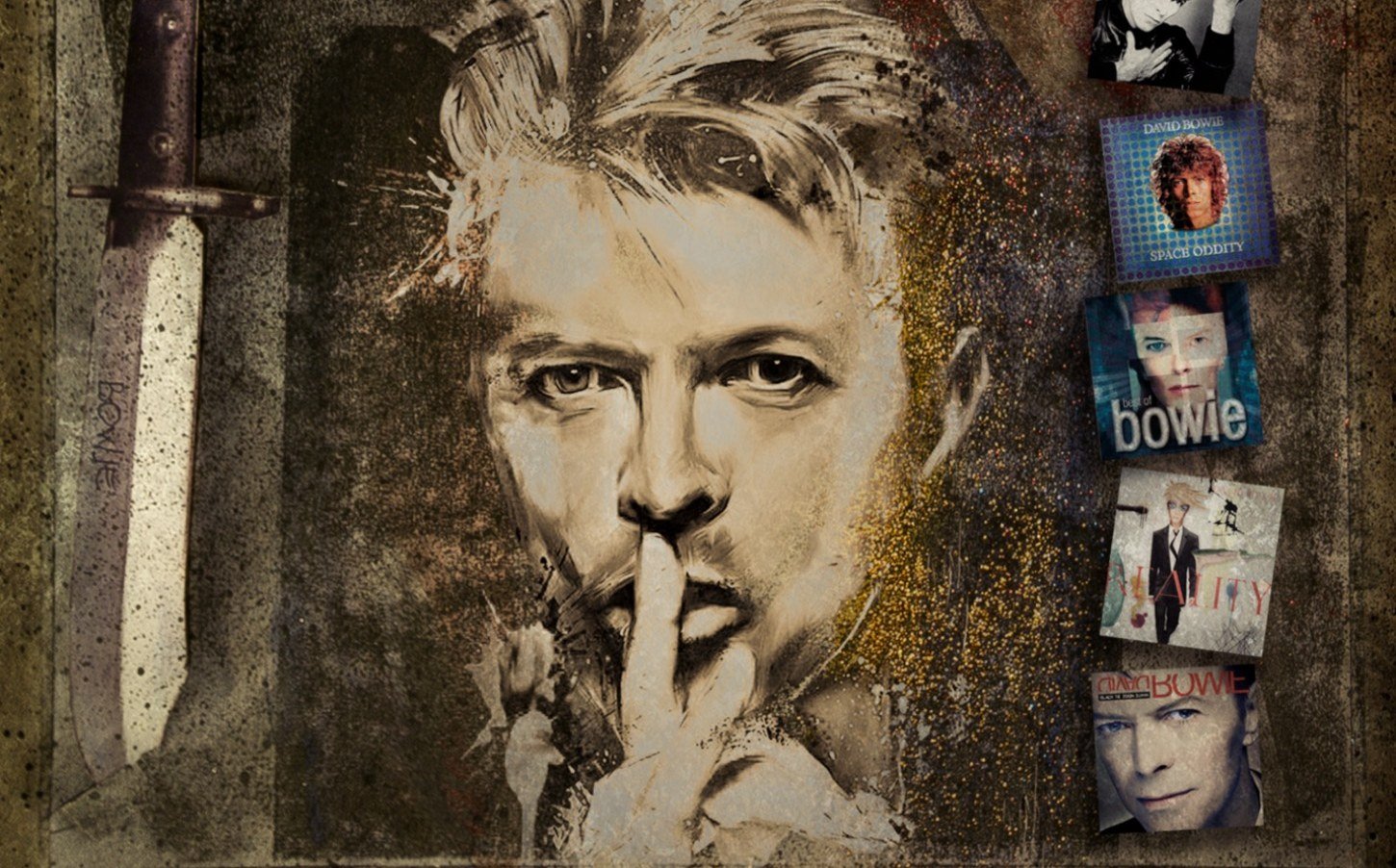 Collage and montageCut and rebuilt
 African Art FusionWith Simon Shone


 Majestic Panoramas
More collections


Twenty eight collections, and more being added
Photo AlchemyThe workbenchCollage and montageCut and rebuiltAfrican Art FusionWith Simon Shone
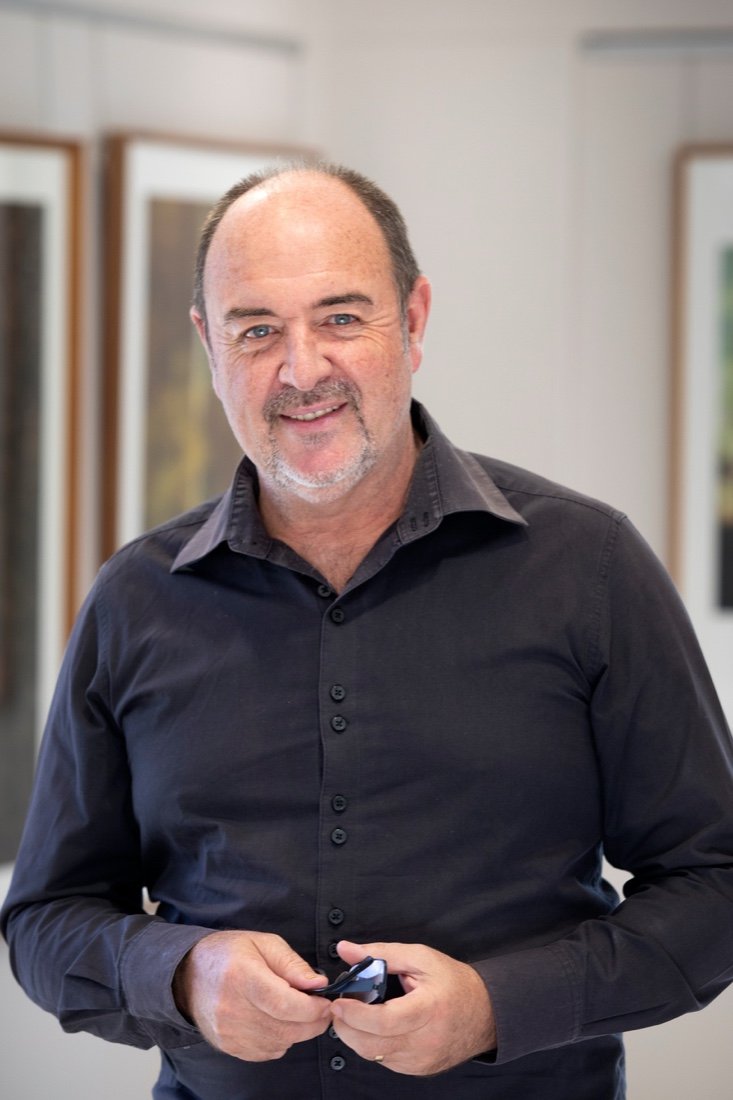
Martin Osner is a South African artist who uses a camera as part of his process. Born in Johannesburg in 1963, he paints, makes Photo Alchemy and creates fine art photographs in his studio in Hout Bay, Cape Town.
"If you ask me who I am today, I will tell you I am an artist who uses a camera as part of my process, from time to time.
For many years I was a photographer trapped in a painter's body. That is no longer the case. Today the photographer needs to be quiet while the artist expresses himself. But the photographer is always invited to the party, and never forgotten, because that is where everything started."
I was never allowed to take art at school. My father believed an artist would battle to feed a family, and he wasn't wrong, it is not an easy walk. He wanted me to take subjects I could use for life, like accountancy. I am no accountant. I am not an analytical person at all, and there are days I wish I had taken art.
When I left school I didn't know what I wanted to do, and there was no time to find out. National service came to fetch me, so I walked out of school and straight into the army, and after months of basic training I was sent to the navy. I still didn't know.

Then one day a friend who surfed asked me to photograph him. He handed me his Pentax Super A with a long lens and showed me how to use it. The moment I held that camera and started taking pictures, I knew this was something else. Photography and I found each other quite by accident, on a winter's day in 1984, and I have never looked back.
My father would never let me near art. But when I told him I wanted to be a photographer, he was fine with that.
My own first camera was a Pentax K1000, an absolute donkey of a classic: a shutter, an aperture and a needle light meter in the viewfinder, nothing more. It weighs a ton, and it is beautiful. Even today, when I hold one, the creative juices start flowing.
In my commercial years I photographed just about everything: vehicles, sports cars, jewellery, products. Clients came to the studio to have their subjects look their very best, and I could light anything.
In 1993 I founded the National College of Photography in Pretoria with Bob Reid. Bob was an accountant and a good businessman, analytical in every way that I am not, and he was exactly the right person to have beside me as it grew.

One day in the college canteen I overheard some of the lecturers. The question was how you would know who had made a picture if it wasn't signed. When it came to me, Dirk, a lecturer I deeply respected and a man of immense talent, said you would always know Martin's work because it would be flawless. Not one error in the lighting, none in the composition, no printing error. It would be perfect, and that is how you would know it was his.
He meant it as a compliment. It was the biggest slap in the face I have ever had, and it was hard enough that I did something about it. I was a boring photographer who pursued perfection. Within a few weeks I handed my commercial clients to my assistant and went headlong into fine art photography, working outdoors and no longer trying to control the outcome.
Photography is, in essence, a craft handed down by mathematicians, scientists and chemists, with a little bit of the arts. Used creatively, it is one of the finest creative tools you could hold in your hands. It can record reality so real that it is more real than the reality in front of you. But it can be very boring when it records what is there and nothing more.
Two films take this further: Are you technically brilliant but artistically invisible? and The expensive lie every photographer believes.

"A friend of mine, a soil expert, came to visit, and we were having a good old South African braai. I grow vegetables not far from the beach, and he told me you can't really farm in beach sand. Then he explained how soil is made, and how everything growing above the ground relies on what is below it, and how what lies below relies just as much on what grows above, the two trading nitrogen and much more besides.
While he talked about compost, I was seeing Jackson Pollock undergrounds, all that activity in the soil that nobody ever sees.
The very next day I went down to the vegetable garden and turned over a plank lying there. There was beautiful moss on the underside, and I photographed it for the sky. Out where the Garden Route begins, in the rolling hills, I photographed a single tree on the horizon, one the farmers had left standing. And for the underground I brought in my all-time hero, not for his social habits but for his relentless experimentation: Jackson Pollock. The layer is one of his paintings, which I replicated with a few tweaks of my own, and he gets the full credit for it. That underground is buzzing with talent that is hardly ever seen, or recognised, on the surface."
There are three Arcane pieces now, and Martin has since painted a great deal more of his own work in Pollock's manner. It is Photo Alchemy in a single picture: the camera is just one of the tools on the workbench.
In 2008 and 2009 Martin was voted the best contemporary international artist by Arteque, Masters of Today, which featured his portfolio in its third volume. That led to exhibitions in London, at the Stephanie Hoppen Gallery in Chelsea, and in Montreal, at Gallery Gora and Creative Boost.
"I don't mind sharing my faith at all. I feel that the Lord my God has gently ordered my steps into the career I was meant to have. Without Him, I wouldn't be here."
See the Faith Inspired work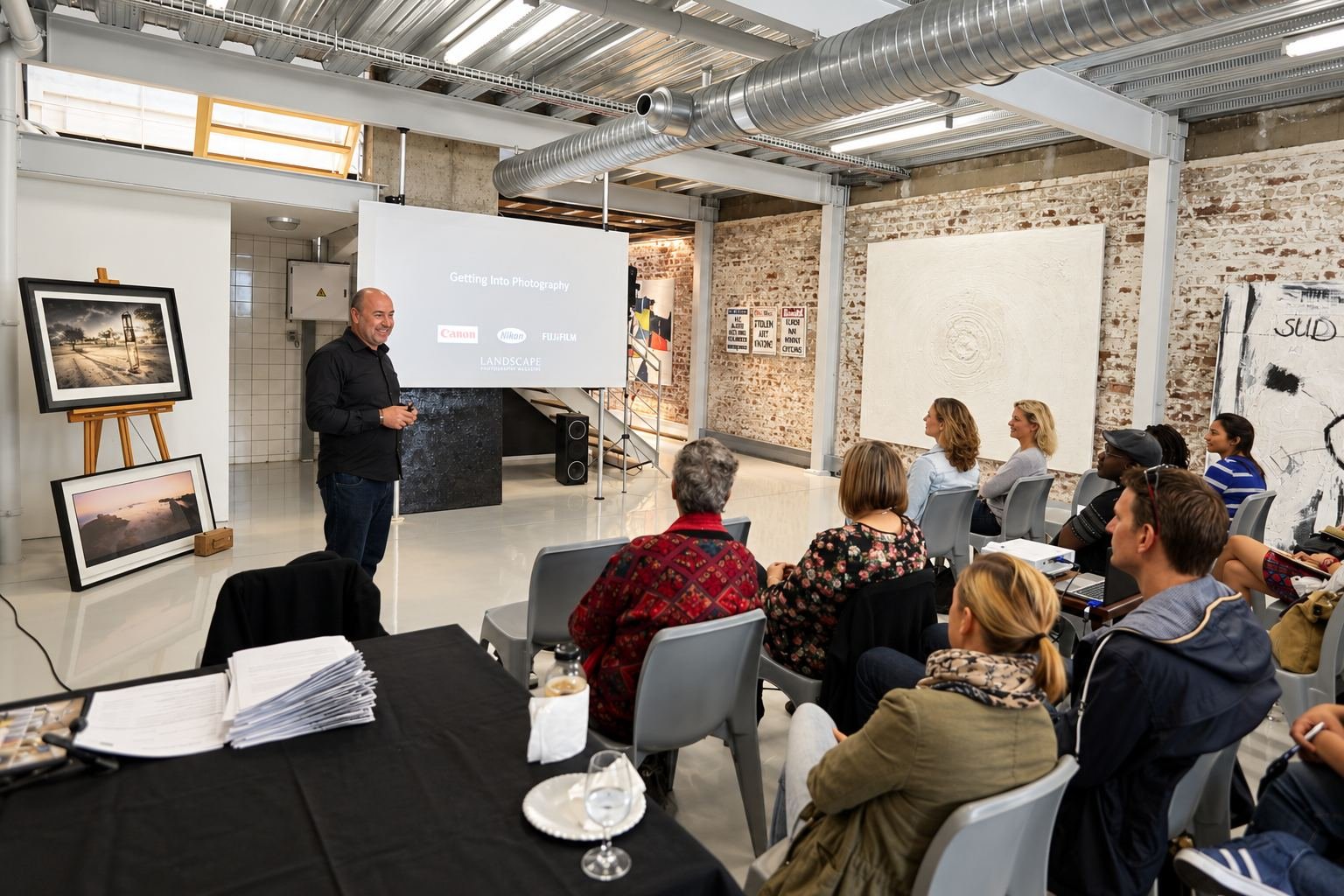
"I have taught literally thousands of people, most of them hobbyists. At its busiest, a hundred people a month came through the night school's six week photography course. Those courses are the foundation of what I teach on the Academy today, in Essentials for Photography and Advanced Photography. For many years I also trained professional photographers, over a programme of a year to eighteen months."
In 2013 his daughter, Samantha Lee Osner, wandered into one of his lectures because she was bored, and asked him for a camera afterwards. She never left. She is now an established artist in her own right: a painter and mixed media artist who uses the camera as part of her process.
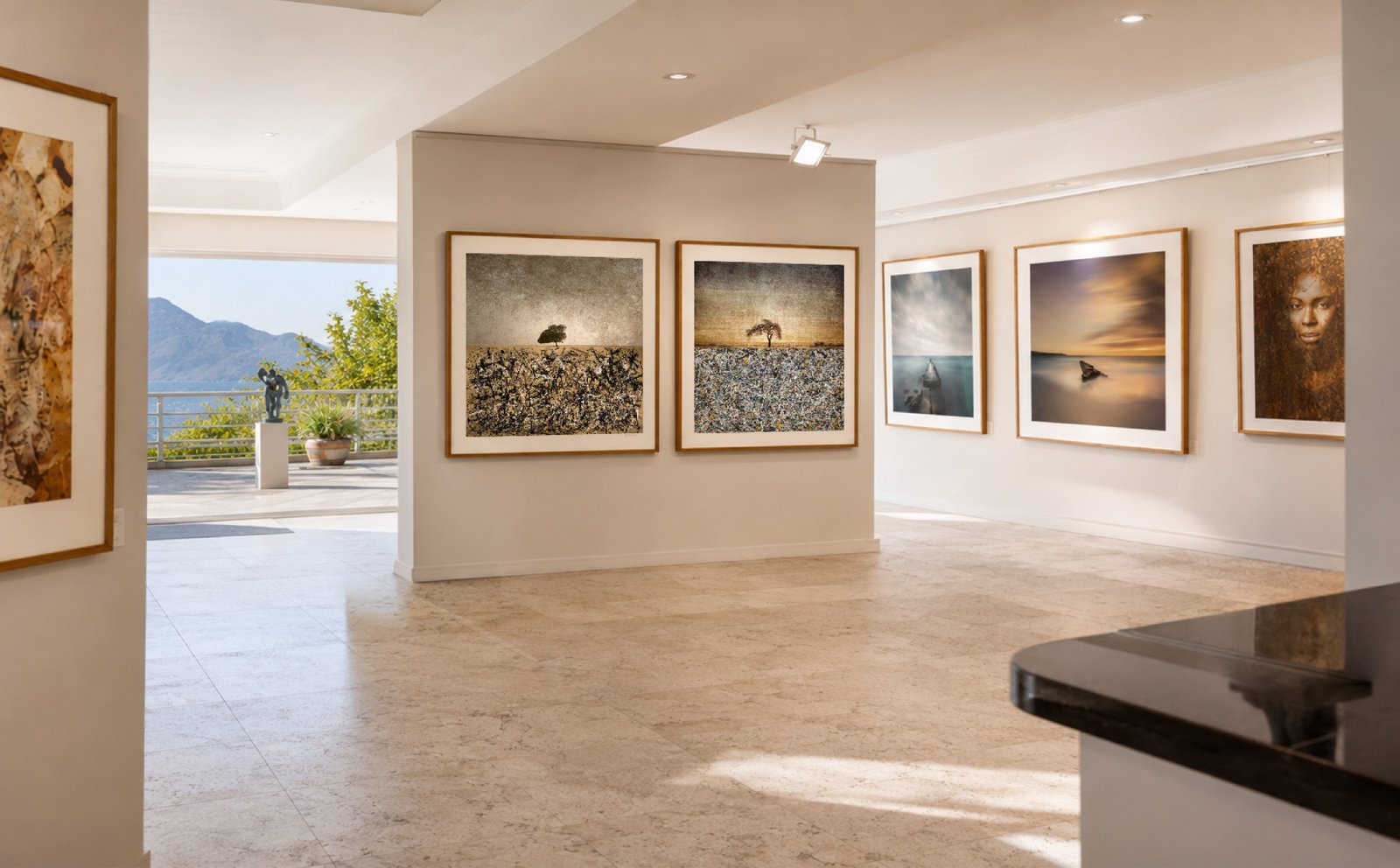
They exhibit side by side at Osner Gallery in Hout Bay, and her work is collected on its own terms.
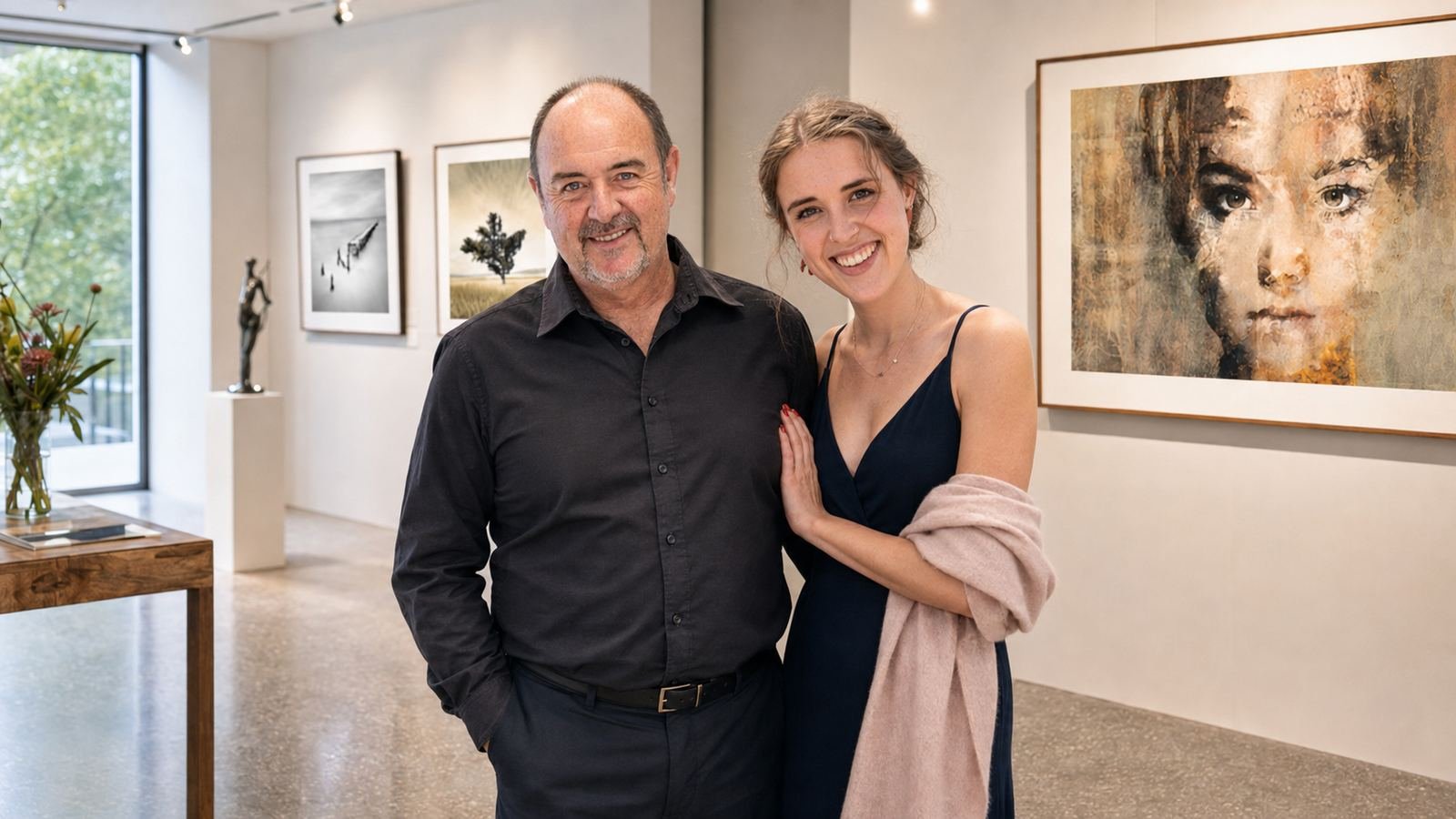

Martin tells the whole journey himself, from the borrowed camera to the gallery walls. The series is still being recorded, and new episodes are added as they are filmed.
Tap to open.

Sold through Osner Art Gallery online, shipped worldwide, and shown in person at Osner Gallery in Hout Bay.
Go to the gallery
Online courses at the Art Photography Academy, live fine art classes on Zoom, and workshops on location.
See the courses