
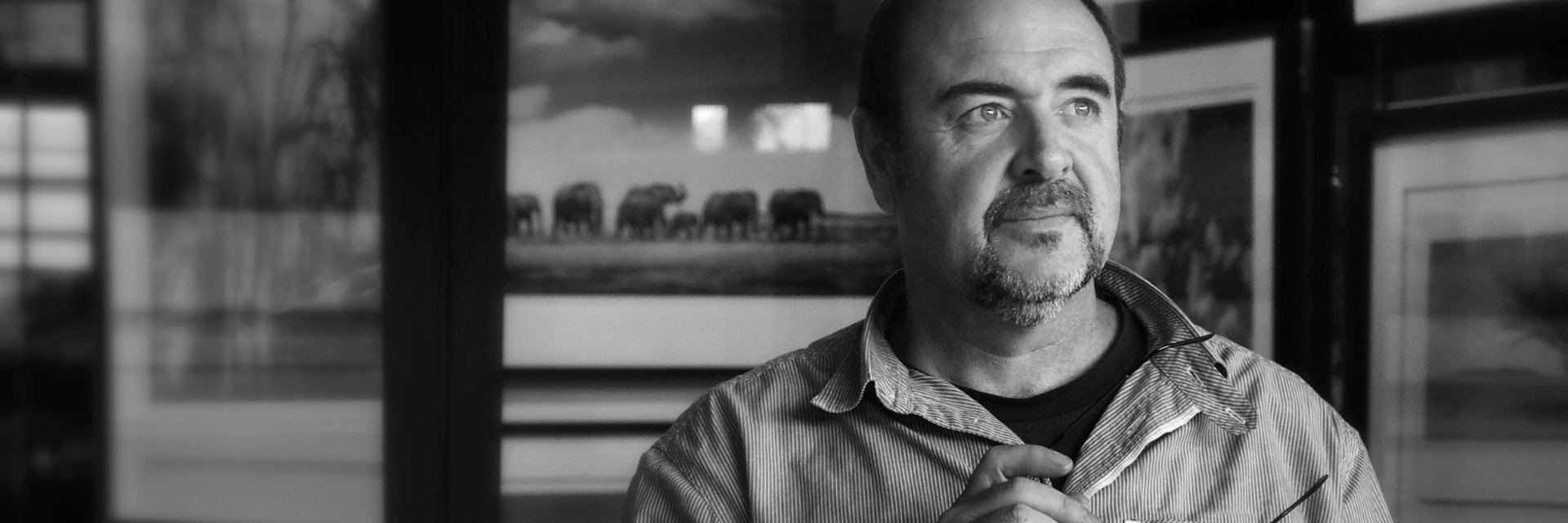
Shaping emotion through light, texture, and form.
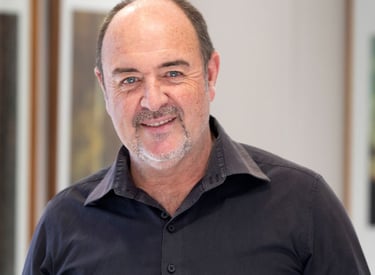
Martin Osner is a South African artist celebrated for his expressive painting, fine art photography, and innovative mixed media. His work is represented through his own curated art galleries, where he appeals to a discerning collectors’ market. Alongside his artistic practice, he continues to teach and inspire others through his Art Photography Academy, sharing insight into the creative process and the joy of creating.
Martin Osner Artist
Embracing Painting, Photography & Mixed Media
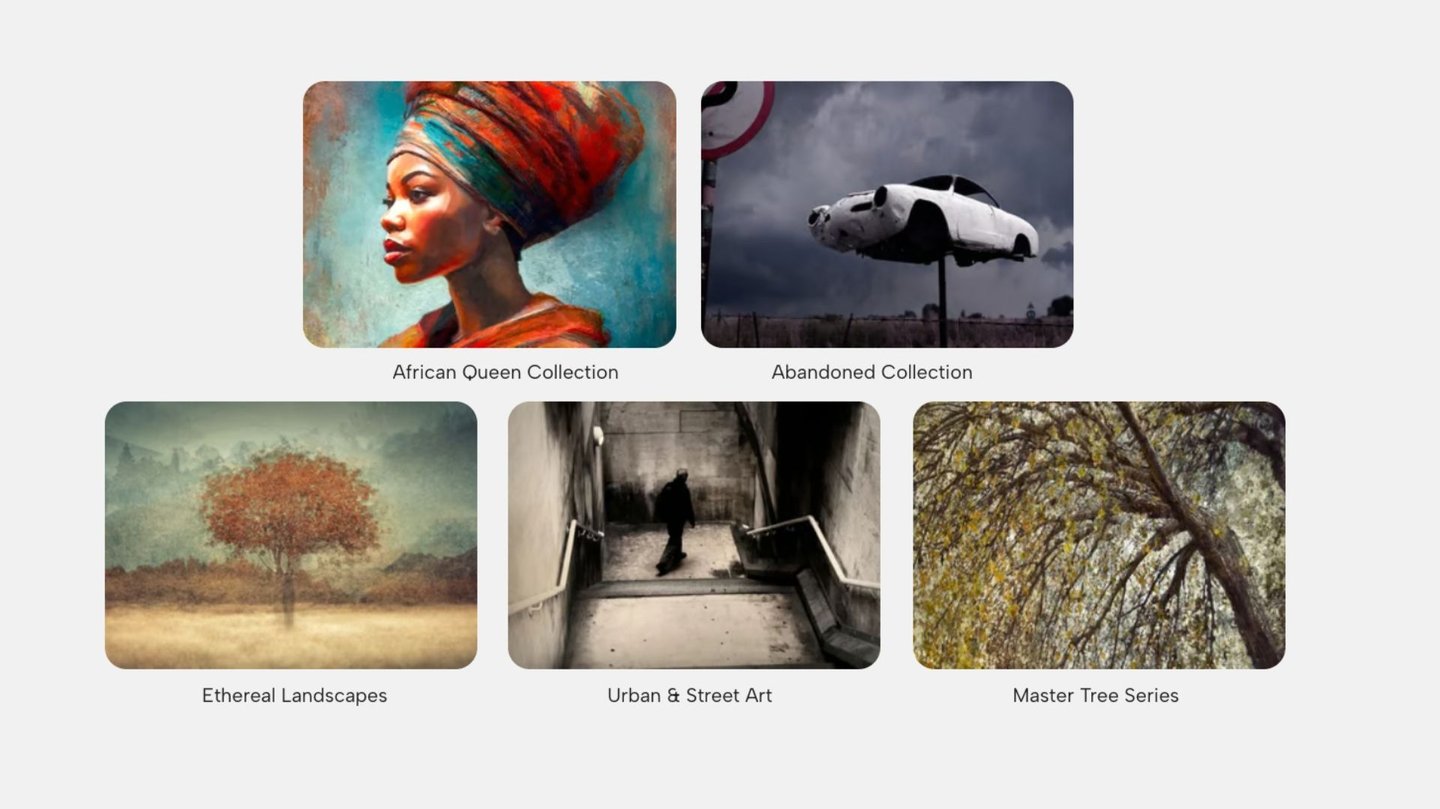
A Glimpse into Martin Osner’s Popular Fine Art Collections
Throughout a career spanning four decades, specific collections have consistently resonated with collectors and art lovers. In this feature, we highlight three of Martin Osner’s most celebrated bodies of work — each one offering a distinct reflection of his creative journey in fine art photography, painting and mixed media.
Artwork, Teaching & Exhibition
A selection where Martin Osner's creative work is exhibited, taught, and made available for collectors.
OSNER GALLERY
Original paintings, mixed media, and fine art photography are exhibited in curated gallery spaces across South Africa.
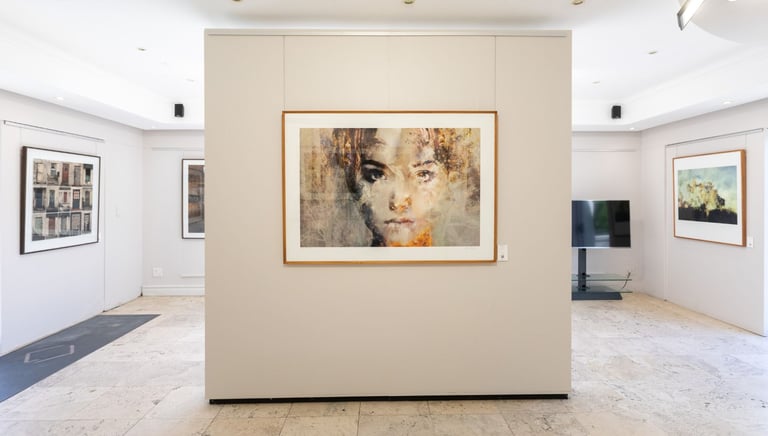
FINE ART PHOTOGRAPHY | ONLINE
A curated online platform featuring limited edition photographic prints and decorative art, available internationally.
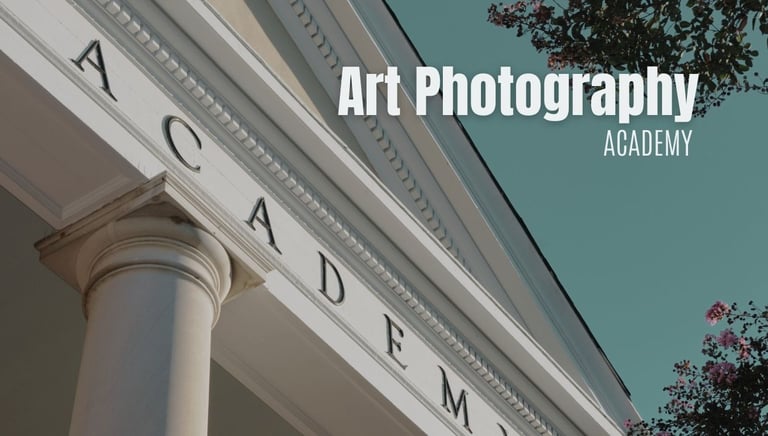
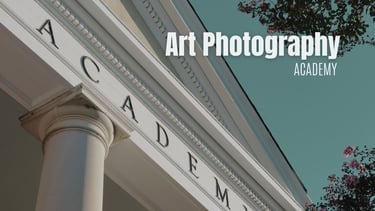
ART PHOTOGRAPHY ACADEMY
Martin’s independent educational platform for teaching art photography and inspiring creative exploration.
OSNER FRAMING STUDIO
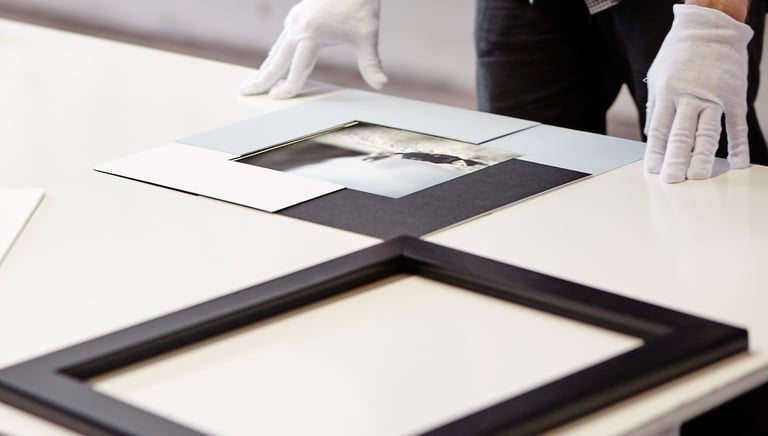
Museum-grade custom framing and mounting services for artists and collectors, offered through Martin’s professional studio.
In the Studio
Martin Osner’s creative journey is a harmonious blend of painting and photography, where each medium informs and enriches the other. He perceives the camera not merely as a tool for capturing images but as an instrument for crafting visual narratives. His work delves into the interplay of light, texture, and emotion, inviting viewers to engage with the subtle nuances of his subjects. Through his art, Martin seeks to evoke a sense of place and introspection, encouraging a deeper connection between the observer and the observed.
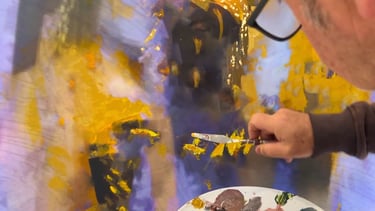
ORIGINAL PAINTINGS
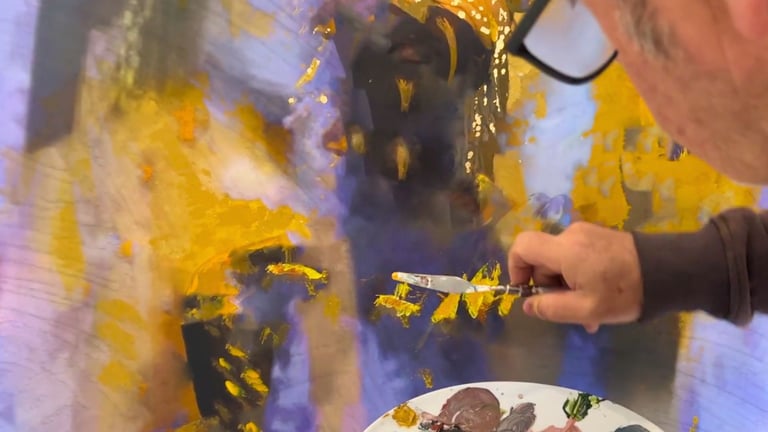
Martin Osner’s paintings are expressive reflections of mood, place, and atmosphere. Using layered textures and a painterly instinct rooted in his photographic eye, each piece invites stillness and introspection. These original works are created using acrylic and mixed material, often influenced by the natural rhythms and quiet beauty of the South African landscape.
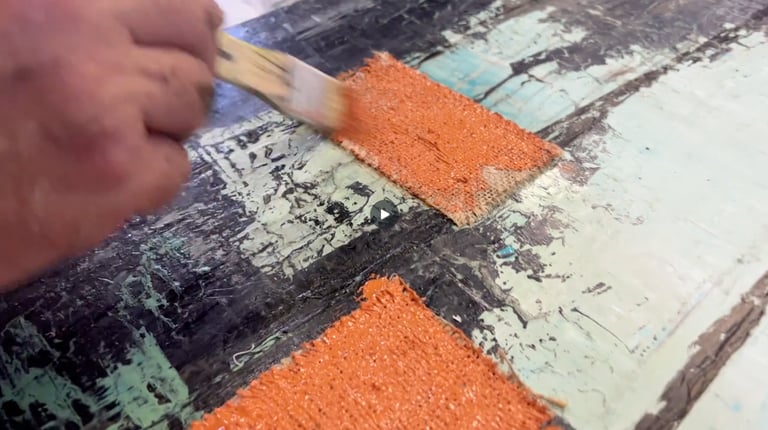
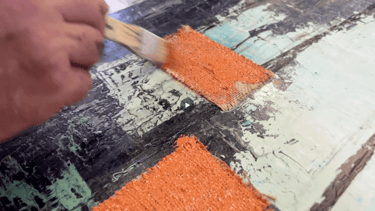
Martin Osner’s mixed media works are tactile compositions that blend photography, paint, and textured materials into layered, expressive pieces. Each work explores surface and depth, often drawing on themes of memory, erosion, and time. These artworks are experimental by nature, combining instinct and craftsmanship in equal measure.
MIXED MEDIA ARTWORKS
FINE ART PHOTOGRAPHY
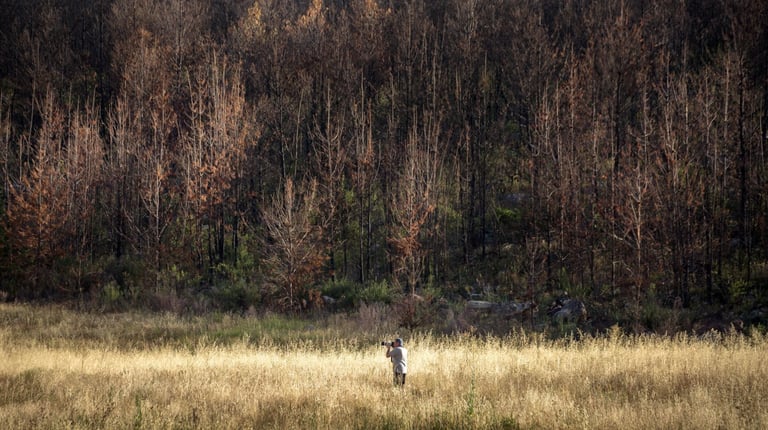
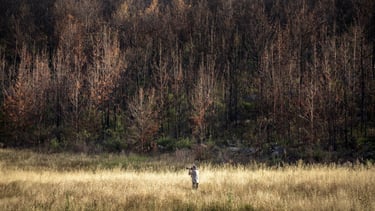
Photography remains a vital part of Martin Osner’s creative practice. With a deep sensitivity to light, atmosphere, and composition, his photographic work ranges from poetic landscapes to quiet urban scenes. Each image is crafted with intention, inviting the viewer to reflect, pause, and reconnect with the world around them.
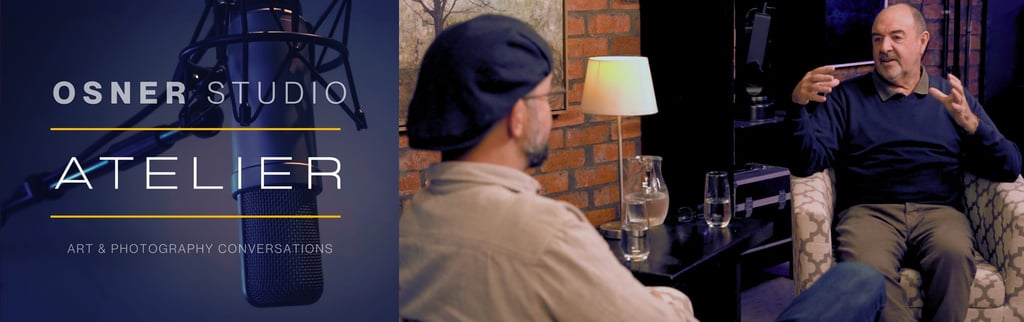
Osner Studio & Atelier
A space created for photographers, art lovers and collectors who want to go deeper — behind the art, behind the artists, and behind the creative processes that make certain work truly extraordinary.
Receive early access to new art and photography conversations before they go live on a Sunday — plus stories, insights and creative discussions delivered directly to you.
A Creative Life of Art, Expression, and Mentorship
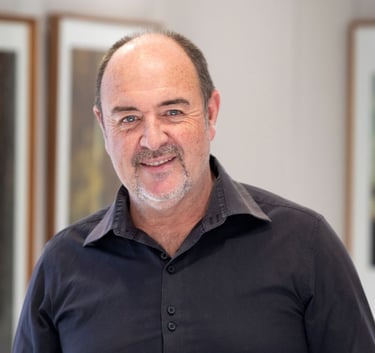
For over four decades, Martin Osner has pursued a distinctive path as both an artist and educator. His work blends photography, painting, and mixed media to create emotionally resonant pieces that invite contemplation and connection. Guided by mood, memory, and a deep appreciation for beauty, Martin’s art is collected worldwide for its atmospheric depth and poetic voice.
Beyond his own creative practice, Martin is passionate about teaching. Through the Art Photography Academy and international workshops, he shares his knowledge generously—mentoring students in fine art photography, visual storytelling, and the transformative power of creativity.
Martin Osner's Instagram
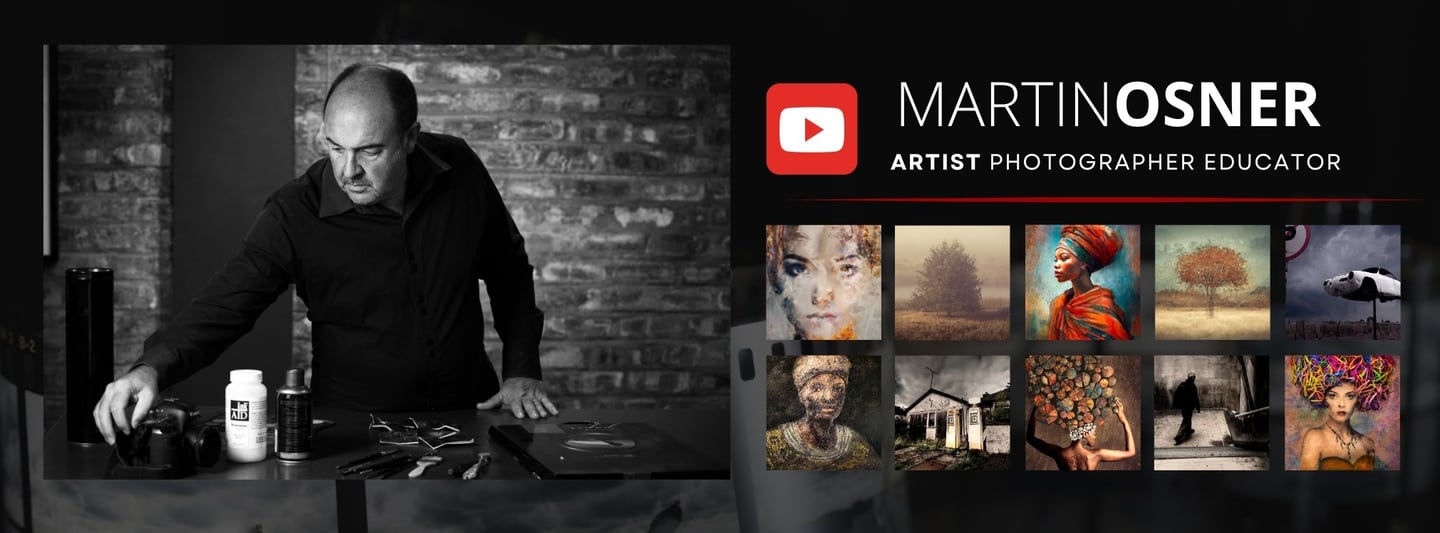
Behind the Art — On YouTube
For over four decades, Martin Osner has pursued a distinctive path as both an artist and educator. His work blends photography, painting, and mixed media to create emotionally resonant pieces that invite contemplation and connection. Guided by mood, memory, and a deep appreciation for beauty, Martin’s art is collected worldwide for its atmospheric depth and poetic voice.
Beyond his own creative practice, Martin is passionate about teaching. Through the Art Photography Academy and international workshops, he shares his knowledge generously—mentoring students in fine art photography, visual storytelling, and the transformative power of creativity.
Let’s Stay in Touch
I occasionally send out updates about new artworks, upcoming exhibitions, articles and discussions. Nothing too frequent, just a gentle way to keep you in the loop. You can unsubscribe at any time.
VISIT MARTIN'S ART GALLERIES
© 2025 Martin Osner Art. All Rights Reserved